
Ways to get top value for your scrap car

As per general Indian government regulations, the typical lifespan for petrol vehicles is 15 years and for diesel vehicles is 10 years, as prescribed by the authorities. However, it is important to note that these age limits may vary depending on the state-specific rules and guidelines.
Delhi RTO Rules for Scrapping a Car
- Petrol/CNG car: Considered scrap if older than 15 years.
- Diesel car: Considered scrap if older than 10 years.
As per the new guidance, age of the vehicle is not a factor in declaring it scrap as long as a valid Fitness Certificate is provided.
A vehicle may be classified as scrap if it meets specific criteria, such as an expired or non-renewable fitness certificate, absence of chassis and engine numbers, immobility, being declared a total loss in an accident, or if the engine repair cost equals or exceeds the vehicle’s value.
Should I scrap my car in parts or sell it entirely as scrap?
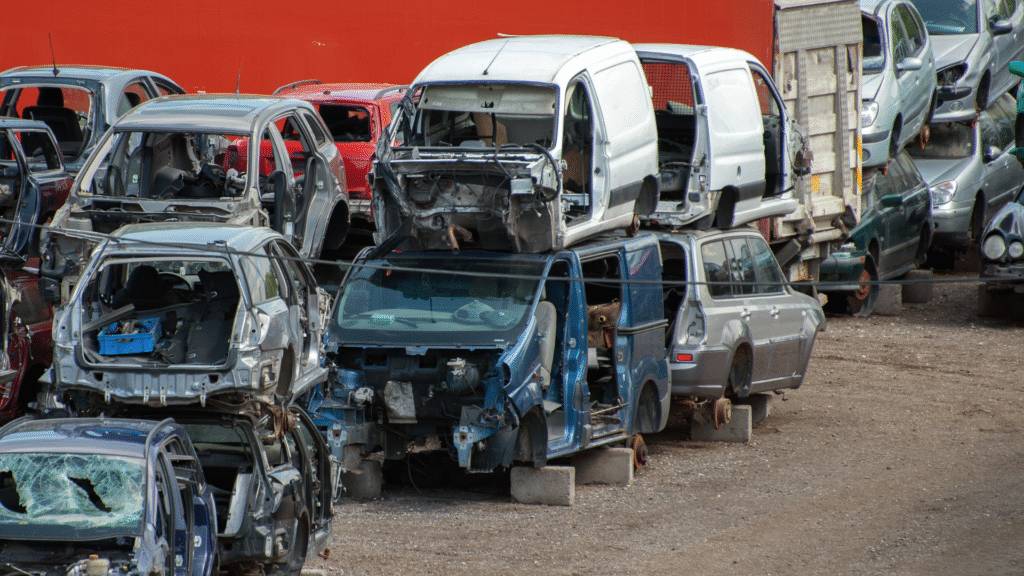
Selling for Parts
Pros:
– Higher Potential Earnings: If the car has valuable parts (engine, transmission, electronics), selling these separately can yield more money than scrapping the entire vehicle.
– Environmentally Friendly: Selling parts can help extend the life of usable components, reducing waste.
If the car has valuable parts like transmission, engine, electronics, selling these separately can give you more money than scrapping the entire vehicle. Selling part of car can be environmentally friendly as far as it has been taken usable components and reducing waste.
Cons:
– Time-Consuming: Dismantling the car and selling parts individually can take a significant amount of time and effort.
– Logistics: You may need to handle transportation and storage of parts, which can be cumbersome.
Time-consuming – dismantling the entire car usually takes a long time and requires high effort.
You may need to handle transportation charges, which can be a burden on your headache. In some cases, reliable car scrap dealers mitigate the burden of transportation, as they provide free pickup services.
Scrapping for Money
Pros:
– Quick and Easy: Scrapping the car is usually a straightforward process. You take the car to a scrap yard, and they handle the rest.
Scrapping the car is usually a straightforward process. Bring your car to the junkyard, and they’ll manage the process from there. By exchange of service, you receive cash quickly.
– Immediate Cash: You receive cash quickly without the hassle of selling individual parts.
Cons:
When selling a scrapped car to a yard, the payout is generally lower than selling parts individually
Conclusion
If your car has valuable parts and you’re willing to invest time, selling for parts may be the better option. However, if you want a quick solution and minimal effort, scrapping might be the way to go. Consider evaluating the condition of your car and the current market for parts to make the most informed decision.
What is the Scrap Price of a Car?
The scrap of a car refers to the amount you get in exchange for your damaged car. This value is usually calculated as a percentage of your car’s ex-showroom price. Typically, this ranges between 3–6% of the ex-showroom price of a new car. The scrap value depends on several factors like the car’s manufacturer, variant, age, current condition, and the going rate for scrap materials.
Here we explain an in-depth overview of India’s vehicle scrappage policy. Introduced in 2021, it is aimed at phasing out old, unfit, and polluting vehicles from Indian roads. Traditionally, vehicle scrapping in India has operated in an unorganized and unregulated manner, often leading to minimal returns for vehicle owners and environmental risks from mishandling hazardous waste.
The comprehensive process starts with the deregistration of vehicles older than 10 years for diesel and 15 years for petrol, regulated by the Regional Transport Office (RTO). The scrapping process includes radiation check, removal of fatal fuel and gases such as LPG, CNG, and refrigerants, extraction of toxic liquids including engine oil and brake fluid removal with Italian depollution equipment, disassembly of both exterior and interior vehicle components, and the recycling or repurposing of recovered parts.
The scrapping plant should be certified for quality, environmental safety, and occupational health and safety standards, including a sustainable and safe approach to vehicle recycling.
Shift from Unregulated to Regulated Scrapping :
The scrapping process underwent informal practice where problems occurred for environmental pollution. The introduction of authorized scrapping facilities marks a transformative change, encouraging openness, equitable valuation, and environmental accountability.
Reducing Environmental Harm via Modern Depollution Techniques
The facility uses Italian depolluting machine system where extracted harmful automotive fluids like engine oil, brake fluid, AC gases, and toxic liquid. This measure is vital since mishandling these substances in unregulated channels heavily impacts soil and air quality. The environmentally friendly recycling of these liquids helps reduce the carbon footprint and toxic waste.
Thorough Disassembly and Component Recovery
The scrapping process is carefully segmented into stages — detaching exterior panels, stripping interior fittings, and then isolating the engine and chassis. A key highlight is the sorting and preservation of reusable components, which promotes a circular economy by extending the lifespan of these parts rather than discarding them entirely.
Compulsory Vehicle Deregistration Enhances Compliance
The compulsory deregistration of diesel vehicles over 10 years and petrol vehicles over 15 years by the RTO ensures systematic removal of unroadworthy vehicles. This regulatory action is essential for enhancing road safety and minimizing vehicle-related pollution.
Accreditation and Compliance Enhance Trust
The facility’s diverse certifications—covering quality, environmental protection, and workplace safety—reflect compliance with global standards. This reassures vehicle owners that the scrapping process is responsible, transparent, and eco-friendly.
Monetary Benefits Motivate Vehicle Owners
The provision of a government-authorized Certificate of Deposit (COD) encourages vehicle owners to opt for scrapping through official channels. With its dual advantage—either offering road tax savings or serving as a tradable document—the COD delivers clear financial value, driving higher participation and discouraging informal scrapping.
Scope for Significant Environmental and Economic Gains
Through the institutionalization of vehicle scrapping, the policy and its execution framework can significantly lower urban pollution, support recycling-based industries, create formal sector jobs, and improve resource efficiency. This initiative contributes to larger environmental objectives and sustainable growth in India.