
Gurgaon has grown from a satellite town into a global business hub there lot business opportunity many people from Delhi NCr even haryana and utarpadesh people come for job. But coming in gurgaon people are facing daily congestion of traffic, its roads are struggling to keep up we see a side of Gurgaon’s traffic crisis that often goes unnoticed
Too Many Vehicles, Too Little Road Resilience
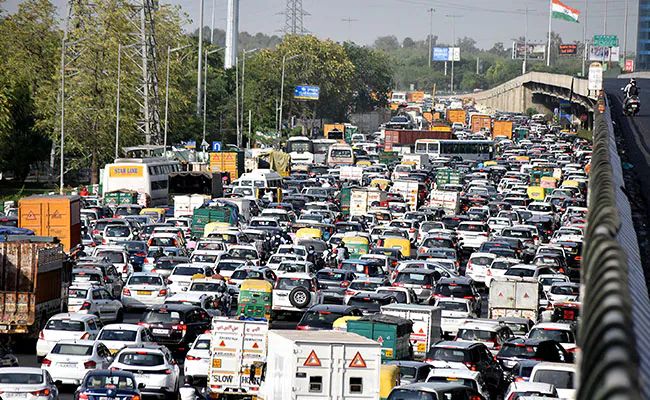
Gurgaon adds thousand of new vehicle every month. There are many pick and drop extent there such as app-based cabs, delivery fleets, and private car ownership have pushed road capacity far beyond its design that limits the situation becomes critical during monsoons
The heavy rainfall that exposd the reality of this state of gurgaon where infrastructure-uneven surface waterlogging and spillover queues from arterial roads created kilomaters jams with vehicle crwaling very slowly. When roads fail, old and poorly maintained vehicle fail first- breaking down mid traffic, blocking lanes, and multiple congestion
There are many 10-15 old vehicle that are ban by government new vehicle policy are disproportionately
Aging Vehicles = Hidden Traffic Blockers
Many older vehicle on Gurgaon roads no longer meet optimal safety or emission standard Worn tyres, poor suspension and engine inefficiencies make them vulnerable during rain and heavy traffic condition
When one old vehicle breakdown on NH-48 or Golf course Extension Road, it doesn’t just create problem for the owner but it creates domino effect
- Slower traffic flow
- Increased idling and emissions
- Higher accident risk
- Emergency services delayed
As per some reports indicate the vehicles that should have exited the system years ago are still adding pressure to Gurgaon’s roads.
Environmental & Economic Cost of Traffic Overload
Traffic congestion isn’t about time lost – it directly impact environmentally sustainability that release hazardous chemical in air that dmaged air quality. Old vehicle more responsible that emit significantly more pollutants, especially in stop-and-go traffic. During rain-induced jams in areas subhas chowk, golf course road, Millinaeum city centre nearest area Sector 29, sector 49are badly impacted
Government Policies That Can Change the Game
The government has already recognized this challenge, and several policies are either active or expected to roll out more aggressively:
- Vehicle Scrappage Policy (VSF)
- Mandatory fitness tests for vehicles over 15 years
- Incentives for scrapping unfit vehicles
- Lower registration costs for new vehicles
Wider enforcement in NCR can significantly reduce breakdown-prone vehicles on Gurgaon roads.
- Stricter Fitness & Emission Checks in NCR
Targeted removal of polluting and unsafe vehicles will ease congestion and improve air quality. - Smart Traffic & Drainage Upgrades
Integrated road monitoring, better stormwater drainage, and real-time traffic diversion during heavy rains are expected to reduce chaos during monsoons. - EV & Fleet Modernisation Push
Incentives for electric and newer commercial vehicles will gradually replace aging fleets that currently clog Gurgaon’s roads.
Why Scrapping Is a Traffic Solution, Not Just Disposal
From our experience as scrap dealers in gurgaon, responsible vehicle scrapping is one of the fastest, most practical solutions to urban traffic stress. Removing one unfit vehicle:
- Frees road space
- Reduces breakdown risk
- Cuts emissions
- Improves overall traffic flow
Gurgaon doesn’t just need wider roads—it needs fewer unfit vehicles on existing roads.
Final Thought
The recent traffic paralysis during heavy rains was a warning sign. Gurgaon’s growth must be matched with smarter vehicle lifecycle management. Government policy, infrastructure upgrades, and public participation in scrapping old vehicles together can turn traffic from a daily crisis into a manageable challenge.
As scrap dealers, we don’t just recycle metal—we help make Gurgaon’s roads safer, smoother, and future-ready.